Why the Exact Same Meal Prep Recipe Tastes Noticeably Different by Wednesday
Quick Answer: Certain ingredients — fresh herbs, citrus, garlic, and delicate vegetables — lose aromatic compounds and texture faster than the rest of a dish during refrigerated storage, meaning flavor genuinely fades unevenly across a batch even though every container came from the same pot. This isn’t a storage failure; it’s a predictable, ingredient-specific pattern worth planning around rather than a sign the recipe itself doesn’t hold up.
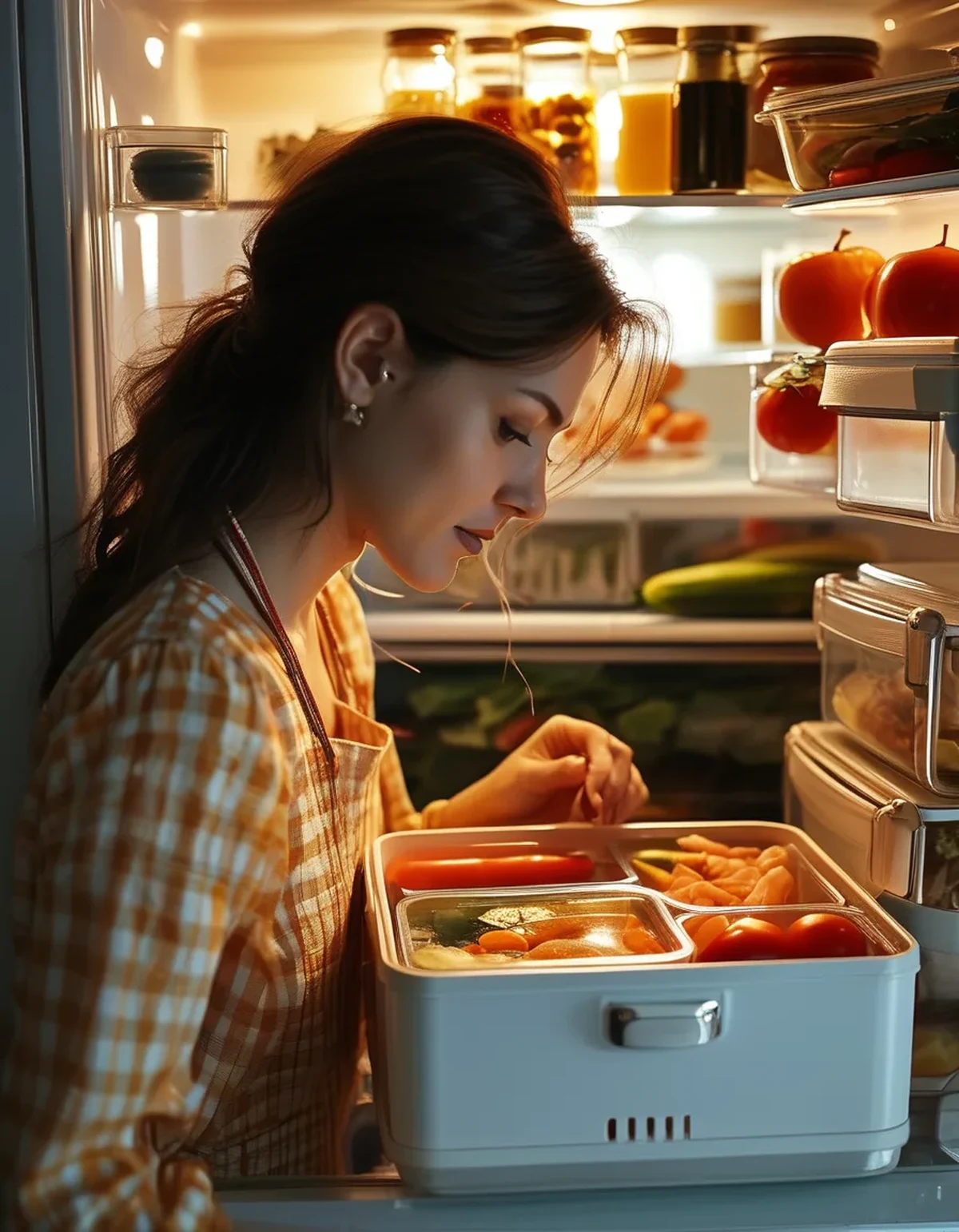
You followed the exact same recipe, portioned it the exact same way, and Wednesday’s container still tastes noticeably flatter than Monday’s. That flavor drop is real, and it’s driven by specific ingredients fading at different rates, not a flaw in your prep technique.
Why do fresh herbs and citrus fade so much faster than the rest of a dish?
Fresh herbs and citrus zest rely on volatile aromatic compounds that actively evaporate over time, even in a sealed container, which is why their bright, sharp flavor contribution fades noticeably within just a couple of days, well before proteins or starches show any real change. This is a chemistry issue, not a sign anything went wrong in the actual cooking or storage process.
Adding a fresh element right before eating, rather than cooking it fully into the batch on day one, is the most reliable fix for this specific fading pattern.
Does garlic actually change flavor over the course of a week, or does it just fade?
Garlic doesn’t just fade, it can actually shift flavor character over several days of storage, sometimes developing a slightly more sulfurous or bitter edge as its compounds continue to break down after cooking. This is different from herbs simply becoming less potent — garlic’s flavor profile can genuinely change direction, not just weaken, which is part of why a dish can taste subtly ‘off’ by Wednesday rather than just blander.
Using a bit less garlic than a same-day recipe calls for, specifically for a batch meant to be stored several days, tends to produce a more consistent result across the whole week.

Why does texture loss affect perceived flavor as much as actual taste changes do?
Texture and flavor perception are closely linked, and vegetables that soften or become slightly mushy over days of storage change the eating experience even when the actual flavor compounds haven’t faded that much yet. A vegetable that was pleasantly crisp on Monday reading as flat and unappetizing by Wednesday is often more about texture loss than true flavor loss, even though it gets remembered as ‘this tastes different now.’
Choosing more storage-resilient vegetables (roasted root vegetables, for example, hold up better than delicate leafy greens) for the bulk of a batch reduces this specific texture-driven flavor complaint.
What Nobody Tells You About Meal Prep Flavor Fading
Nobody tells you that reheating method affects perceived flavor freshness almost as much as the ingredients themselves do — a microwave reheat that overcooks the exterior while leaving the center lukewarm tends to taste noticeably worse than a gentler stovetop or oven reheat, even from the exact same container. This is a separate variable from ingredient fading, and it compounds with it by Wednesday and Thursday specifically.
They also don’t tell you that portioning sauces or dressings separately, to be added at reheat time rather than mixed in on day one, preserves flavor brightness significantly better across a multi-day batch than pre-mixing everything up front.
FAQ: Meal Prep Flavor Fading, Answered
Should I just avoid herbs and citrus in meal prep entirely?
Not necessarily — using dried herbs for the base cooking and reserving fresh herbs or citrus as a finishing touch at reheat time gets both convenience and better week-long flavor.
Does freezing prevent this flavor fading better than refrigerating?
Freezing slows the process significantly compared to refrigeration, making it a better option for batches meant to last beyond about four days.
Is there a specific day when meal prep flavor drops off most noticeably?
Many people notice the sharpest drop between day two and day three, which lines up with when volatile aromatic compounds have had the most time to fade without yet reaching the more dramatic texture breakdown of later days.
TL;DR:
- Fresh herbs, citrus, and garlic fade or shift flavor faster than the rest of a dish during storage
- Texture loss in delicate vegetables affects perceived flavor freshness as much as actual taste change does
- Reheating method significantly affects how fresh a meal tastes, separate from ingredient fading itself
- Portioning fresh finishing touches and sauces separately preserves flavor much better across a multi-day batch
The Wednesday flavor drop isn’t a sign your recipe or technique failed — it’s a predictable pattern in which specific ingredients fade fastest, and it’s fixable with a few small adjustments to what goes in on day one versus what gets added at the very end.
Keep Reading
This article is for general informational purposes only and is not medical advice. Always consult a qualified health professional for guidance specific to you.