Why Your Meal Prep Container Might Matter More Than the Recipe
Quick Answer: Food quality on day 3-4 depends more on container seal, material, and compartments than on the recipe itself. Glass with a silicone-sealed lid, divided to separate wet and dry components, is what actually keeps prepped meals tasting fresh.
You’ve optimized the recipe, the seasoning, even the reheating method — and your Wednesday lunch still tastes like a sad version of Monday’s. The recipe was never the problem.
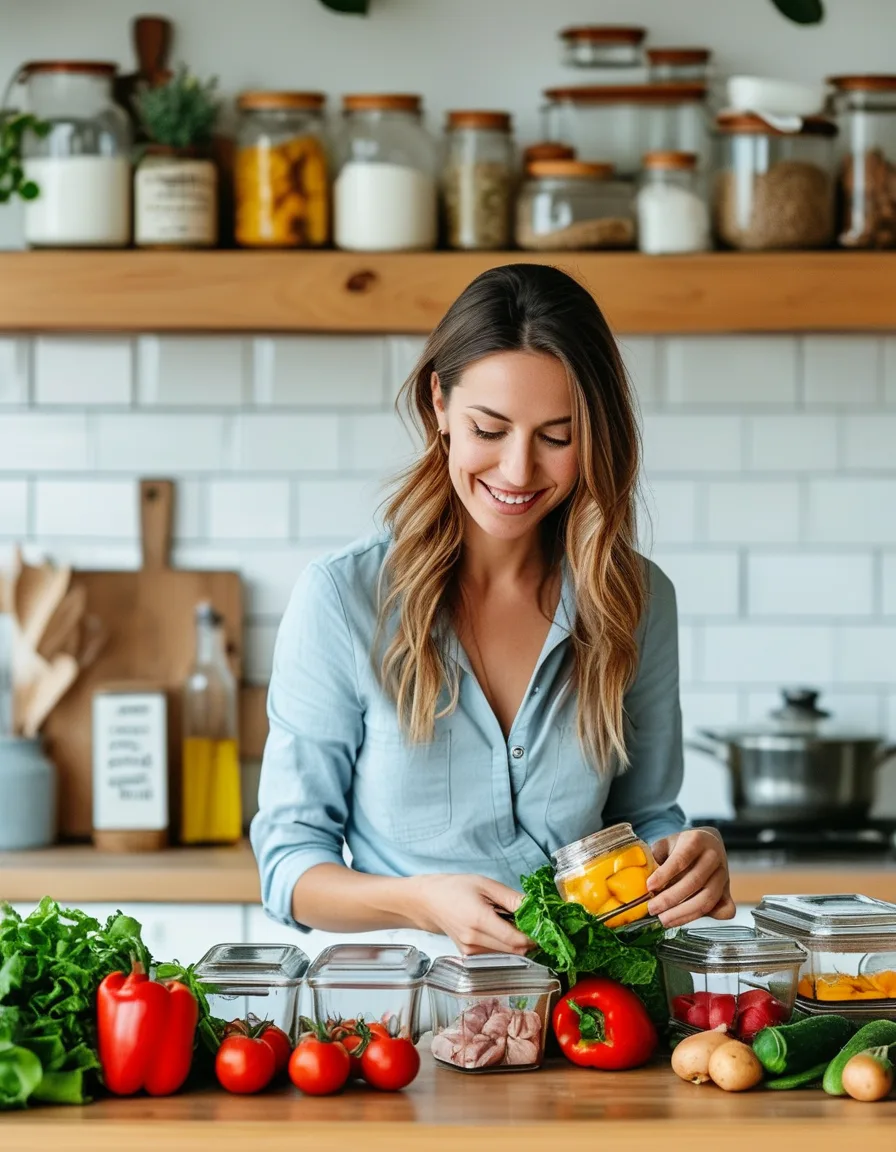
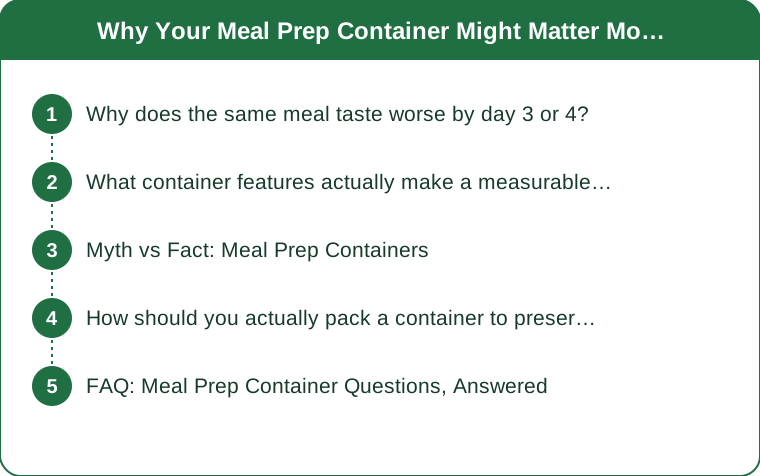
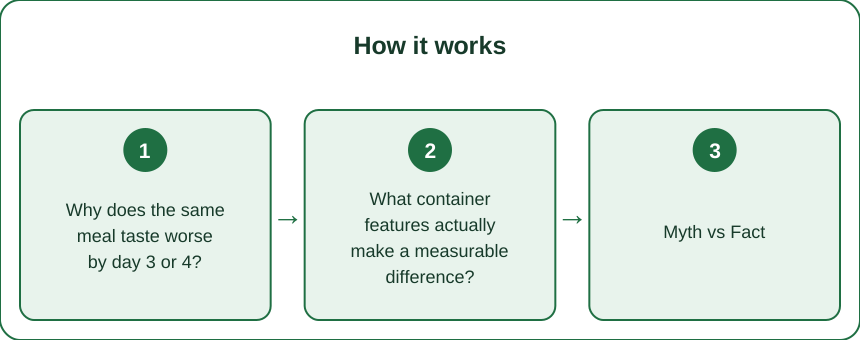
Why does the same meal taste worse by day 3 or 4?
Moisture migration is the real culprit: sauce soaks into rice, dressing wilts greens, condensation drips back onto crispy elements. This happens regardless of recipe quality if wet and dry components share one compartment.
A container without a true airtight seal also lets in fridge air, which accelerates staling in grains and drying in proteins — so the food isn’t just soggy, it’s also aging faster than it should.
What container features actually make a measurable difference?
Divided compartments keep sauce, protein, and grains separate until reheating — this alone fixes most sogginess complaints. Silicone gasket lids (not just snap-tight plastic) create a real seal that slows both moisture loss and moisture invasion.
Glass over plastic matters less for taste and more for reheating: glass won’t leach odors or absorb tomato-sauce staining, so container five doesn’t taste faintly of container two’s curry.
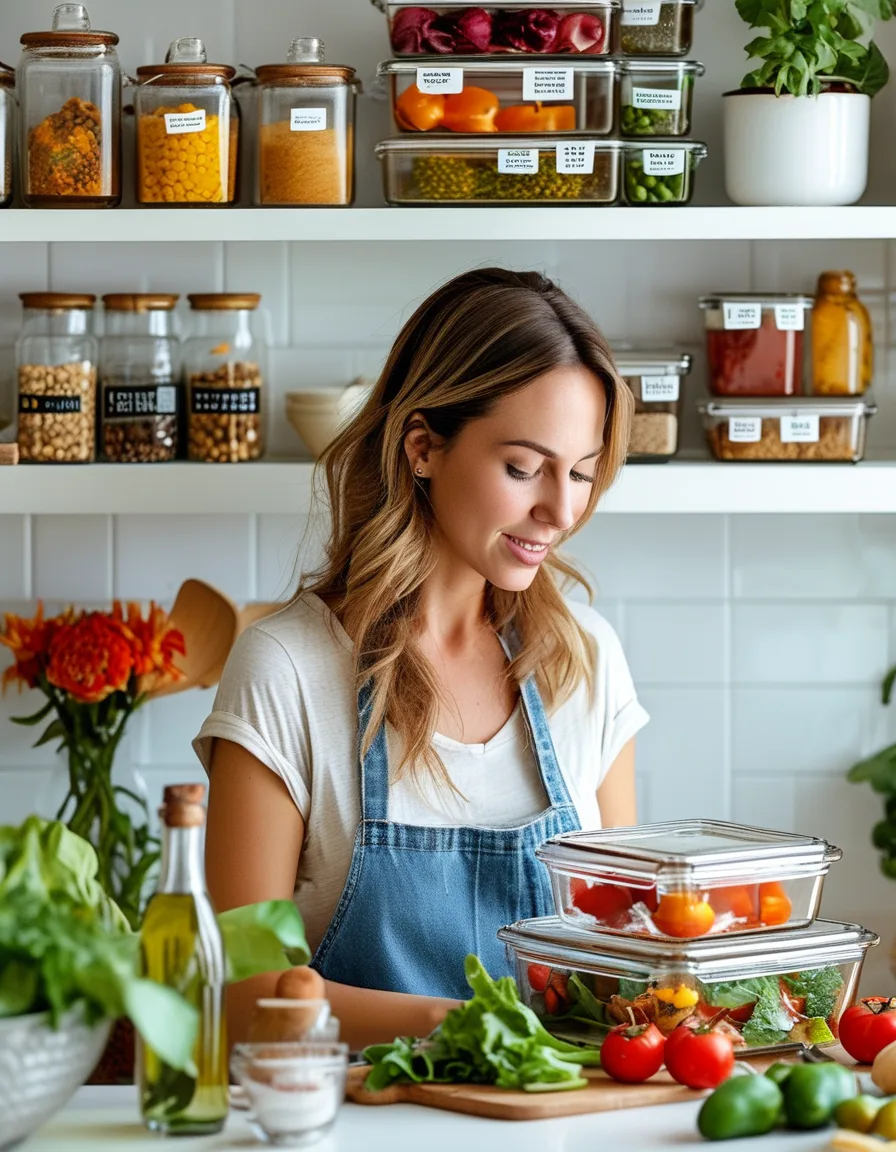
Myth vs Fact: Meal Prep Containers
Myth: Any container with a lid works if you eat within the week. Fact: A loose-seal container measurably degrades texture by day 2-3, well within a typical week’s window.
Myth: Plastic and glass perform the same once food’s inside. Fact: Plastic microwaves less evenly and retains odor/stain over repeated uses, which glass avoids.
Myth: More expensive containers always seal better. Fact: Price doesn’t reliably predict seal quality — a silicone gasket you can see and press-test matters more than the brand name.
How should you actually pack a container to preserve freshness?
Layer with dressing/sauce on the bottom of its own compartment, protein next, then anything you want crisp (like greens or roasted vegetables) on top, separate from moisture entirely.
Let hot food cool for 10-15 minutes before sealing — sealing while steaming traps condensation that drips back down and speeds up sogginess, undoing the benefit of a good container.
FAQ: Meal Prep Container Questions, Answered
How many containers should I actually own?
Enough for 4-5 days plus 1-2 spares for overlap — more than that usually means clutter, not better prep.
Are compartment containers worth it if I already meal prep fine?
If you’ve never had sogginess complaints, skip them — they solve a specific problem, not a universal one.
Can I microwave in any container with a silicone lid?
Check it’s labeled microwave-safe specifically — some silicone-sealed lids use a plastic body that isn’t rated for reheating, only storage.
TL;DR:
- Moisture migration between components, not the recipe, causes most day-3 sogginess
- Divided compartments and silicone-gasket seals make the biggest measurable difference
- Glass beats plastic mainly for odor/stain resistance across repeated use, not flavor itself
- Cool food 10-15 minutes before sealing to stop trapped condensation
Before you rewrite another recipe to fight sogginess, check whether the container was ever going to let it succeed.
Keep Reading
This article is for general informational purposes only and is not medical advice. Always consult a qualified health professional for guidance specific to you.