The Portion-Control Trick That Makes Meal Prep Actually Work for Weight Goals
Meal prep gets credited with making healthy eating easier, but portion control is usually the part left out entirely, with people prepping generally healthy food and then eating an unmeasured amount of it anyway. The fix isn’t tracking every bite, it’s building the portion decision into the prep step itself.

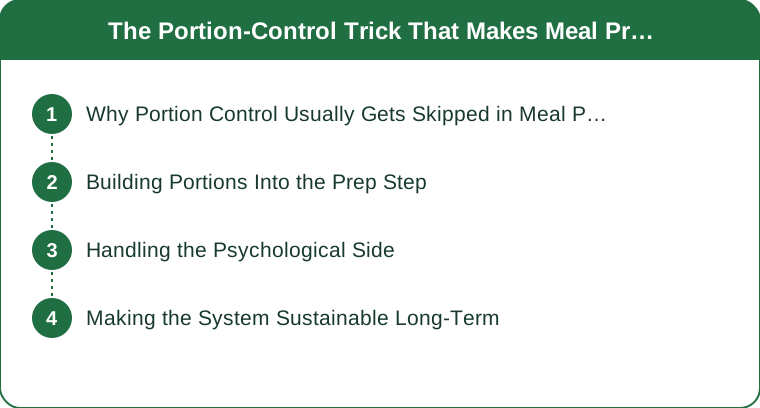
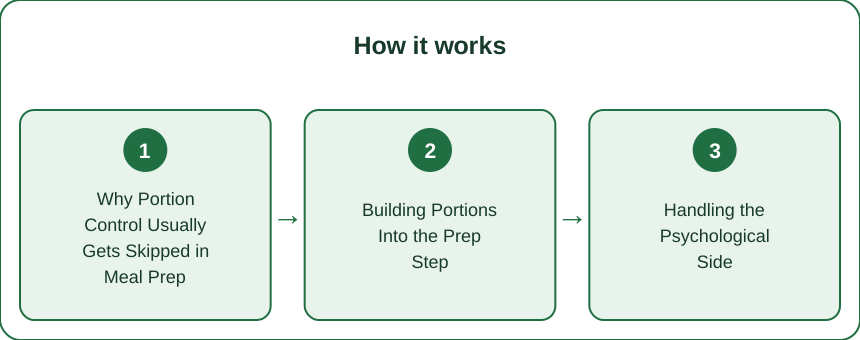
Why Portion Control Usually Gets Skipped in Meal Prep
The gap: the the-healthy-doesnt-equal-controlled (a meal being nutritionally reasonable doesn’t automatically mean the portion size served matches any particular goal, a distinction meal prep alone doesn’t solve), the the-decision-moved-not-removed (batch-cooking food in a large shared container just moves the portion decision from cooking time to eating time, rather than actually removing it), the the-hungry-serving-bias (people consistently serving themselves larger portions when hungry at the moment of eating than they would if the portion had been decided in advance)).
Building Portions Into the Prep Step
The core method: the the-container-based-portioning (dividing a full batch of cooked food into individual containers immediately after cooking, while portion sizing is still a calm, pre-hunger decision rather than an in-the-moment one), the the-visual-portion-guide-use (using a simple visual reference, like a palm-sized protein portion or a fist-sized carb portion, when dividing food into containers rather than guessing by eye each time), the the-container-size-as-a-constraint (choosing a specific container size and treating it as the portion boundary, since a fixed container naturally limits how much gets served without requiring active restraint).

Handling the Psychological Side
The mindset shift: the the-pre-decided-feels-different-than-restricted (a portion decided calmly during prep time tends to feel like a plan rather than a restriction, compared to portioning food while actively hungry, which tends to feel like active deprivation), the the-extra-container-for-flexibility (keeping one or two slightly larger containers in rotation for higher-activity days, building in flexibility without abandoning the overall system), the the-label-with-context-not-just-food-name (labeling containers with a note like ‘lunch portion’ rather than just the food name, reinforcing the portion decision every time the container is opened).
Making the System Sustainable Long-Term
The maintenance approach: the the-reassess-portion-size-periodically (revisiting whether the chosen portion and container size still match current goals every few weeks, rather than locking in one size indefinitely), the the-batch-size-matching-container-count (planning the total batch-cooked quantity around a specific number of containers from the start, rather than cooking first and figuring out portions afterward), and the frame (portion control built into the meal prep step, using containers and visual guides decided before hunger sets in, removes the exact decision point where portion sizes usually drift — the food doesn’t need to change, just when the portioning decision gets made.)
The part of meal prep that quietly undermines weight goals isn’t the food choice, it’s that batch-cooking a large shared container of healthy food just relocates the portion decision from cooking time to eating time, and people reliably serve themselves larger portions when deciding at the moment of hunger than they would deciding calmly beforehand. The fix is dividing a full batch into individual containers immediately after cooking, using a simple visual reference like a palm-sized protein portion, and letting the container size itself act as the portion boundary rather than relying on active restraint every meal. This reframing matters psychologically too, since a portion decided during a calm prep session tends to feel like a plan rather than a restriction, unlike portioning while actively hungry, which tends to feel like deprivation in the moment. Keeping one or two slightly larger containers in rotation for higher-activity days adds flexibility without abandoning the system, and revisiting the chosen portion size every few weeks keeps it aligned with current goals rather than locked in indefinitely.
Keep Reading
This article is for general informational purposes only and is not medical advice. Always consult a qualified health professional for guidance specific to you.