5 High-Protein Meal Prep Mistakes That Quietly Waste All Your Effort
Quick Answer: The most common high-protein meal prep mistakes are underestimating actual protein content per meal, relying on one protein source that gets reheated into unpalatable texture, skipping variety that leads to abandoning the plan by day 3, storing meals in a way that degrades quality, and not accounting for protein loss during reheating — each fixable with small adjustments.
Meal prepping enough containers doesn’t guarantee you’re actually hitting your protein target — these five gaps are where most people’s numbers quietly fall short.

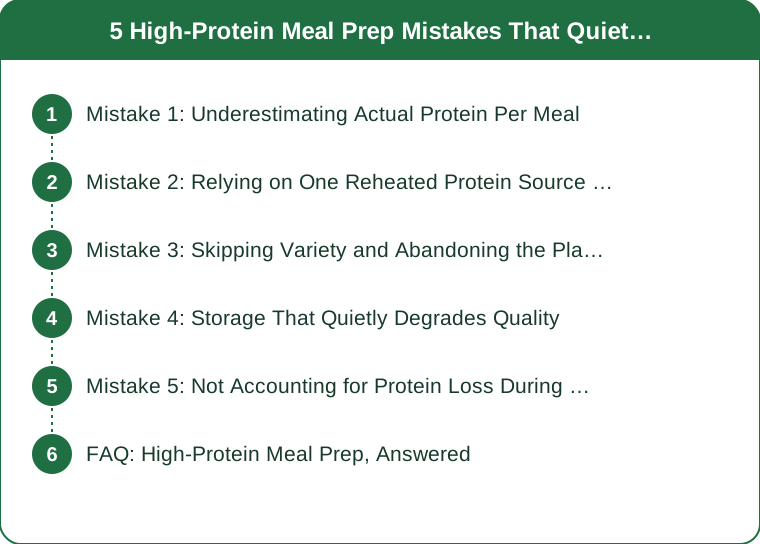
Mistake 1: Underestimating Actual Protein Per Meal
Eyeballing a 4oz chicken breast as ‘plenty of protein’ often means closer to 25-30g, well under a 40g+ target many active people need per meal. Actually weighing protein sources for at least a week reveals the real gap between assumed and actual intake.
Mistake 2: Relying on One Reheated Protein Source All Week
Chicken breast reheated five days straight dries out and becomes genuinely unappealing by Wednesday, which is exactly when people start skipping meals or swapping in lower-protein convenience options instead. Rotating 2-3 protein sources (chicken, ground turkey, tofu, fish) across the week prevents this texture fatigue.
Mistake 3: Skipping Variety and Abandoning the Plan by Day 3
Identical meals five days running is a common reason meal prep plans get abandoned mid-week — not from lack of discipline, but genuine food boredom. Varying sauces, sides, and seasoning across otherwise similar base components keeps meals interesting without adding much prep time.

Mistake 4: Storage That Quietly Degrades Quality
Storing high-protein meals in non-airtight containers or stacking them while still hot introduces condensation that affects both texture and shelf life. Cooling fully before sealing and using genuinely airtight containers extends both quality and safe storage time meaningfully.
Mistake 5: Not Accounting for Protein Loss During Reheating
Microwave reheating at high power can toughen protein texture, sometimes leading people to eat less of the meal than intended. Reheating at a lower power setting for a longer time, or adding a splash of liquid to proteins like chicken, preserves both texture and the odds you’ll actually finish the portion.
FAQ: High-Protein Meal Prep, Answered
How many protein sources should I actually keep in weekly rotation?
Most people find 2-3 rotating protein sources hits the sweet spot between variety and manageable prep effort.
Is it better to prep proteins separately from other components?
Yes, generally — storing protein separately from sauces and grains until just before eating preserves texture and prevents sogginess.
How long do high-protein prepped meals actually stay good in the fridge?
Most properly cooled, airtight-stored meals stay safe and good quality for about 4 days; freezing extends this further for longer batches.
TL;DR:
- Actually weigh protein sources — eyeballing routinely underestimates real intake
- Rotate 2-3 protein sources to avoid the reheated-texture fatigue that kills week-long plans
- Vary sauces and sides to prevent the boredom that leads to abandoning meal prep
- Cool meals fully before sealing, and reheat at lower power to preserve texture
The containers aren’t the hard part — closing these five small gaps is what actually gets you to your protein number.
Keep Reading
This article is for general informational purposes only and is not medical advice. Always consult a qualified health professional for guidance specific to you.